

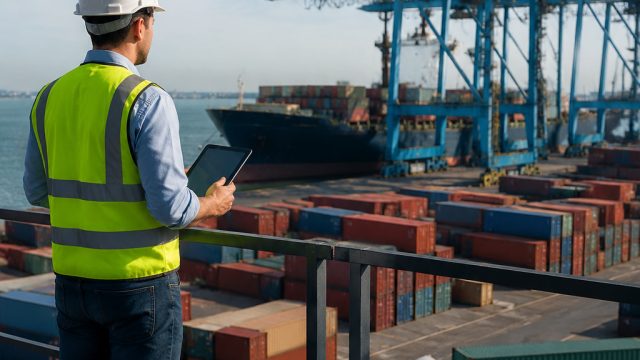
In the ever-evolving landscape of international trade, businesses face numerous challenges that necessitate careful navigation. As exporters seek to capitalize on global opportunities, understanding the implications of recent economic fluctuations and regulatory changes is crucial. This article delves into current trends in the export sector, offering insights that can help businesses adapt and thrive amidst uncertainties.
Current State of the Export Market
The export market has been significantly impacted by a variety of factors, including fluctuating demand, geopolitical tensions, and regulatory changes. As economies rebound post-pandemic, companies must stay vigilant and responsive to these shifts. The focus now lies on adapting strategies that not only ensure compliance but also enhance competitiveness in a tight market.
Fluctuating Demand and Supply Chain Issues
Recent data indicates that global demand for various products is on the rise, yet supply chain challenges persist. Factors such as shipping delays, raw material shortages, and increased freight costs are creating hurdles for exporters. Businesses need to evaluate their supply chains and consider alternative sources to mitigate disruptions.
- Assessing alternative suppliers for critical materials
- Implementing technology for better inventory management
- Exploring local sourcing options to reduce dependency on international suppliers
Regulatory Changes Impacting Exports
Changes in trade agreements and tariffs can significantly affect export operations. Companies must stay informed about new regulations that may impact costs and market accessibility. Navigating these changes requires a proactive approach:
- Regularly reviewing governmental announcements regarding trade policies
- Engaging with trade associations to gain insights and support
- Consulting legal experts to ensure compliance with international laws
Technological Advances Shaping Export Strategies
Leveraging technology is becoming increasingly vital for exporters looking to streamline processes and enhance operational efficiency. From utilizing data analytics to improve decision-making to deploying logistics management software, firms can gain a competitive edge:
Data Analytics for Better Decision Making
Implementing data analytics can help businesses predict market trends and consumer preferences, allowing for more informed strategic decisions. Companies can harness this data to:
- Identify high-demand markets for targeted exports
- Optimize pricing strategies based on market analysis
- Track competitor performance to inform business strategies
Streamlining Logistics and Delivery
Investing in logistics technology not only improves efficiency but also enhances customer satisfaction. Key steps include:
- Utilizing GPS and tracking systems for real-time updates
- Evaluating and adopting automation in warehousing processes
- Partnering with logistics providers offering flexibility and reliability
Adapting to Economic Shifts and Future Trends
The global economy is in a constant state of flux, making it essential for exporters to remain adaptable. Emerging trends in sustainable practices and digital transformation are reshaping expectations:
Embracing Sustainability in Export Practices
With increasing consumer awareness regarding environmental issues, businesses are under pressure to adopt sustainable practices. This not only addresses consumer demand but can also enhance brand loyalty:
- Incorporating eco-friendly materials and processes
- Highlighting sustainability in marketing strategies
- Engaging in corporate social responsibility initiatives
The Role of Digital Transformation
Digital transformation offers numerous opportunities for exporters, enabling them to reach broader audiences and optimize operations. Steps to consider include:
- Creating digital platforms for direct-to-consumer sales
- Investing in e-commerce capabilities to access global markets
- Utilizing social media for marketing and customer engagement
Conclusion: Preparing for the Future of Exports
As the export market continues to evolve, businesses must prioritize adaptability and strategic foresight. With fluctuating demand, regulatory shifts, and technological advancements shaping the landscape, understanding these dynamics is vital. By embracing innovation, sustainability, and proactive strategies, exporters can position themselves for success in today's competitive environment. Now is the time to assess and refine your export strategies to ensure resilience and growth in the future.