

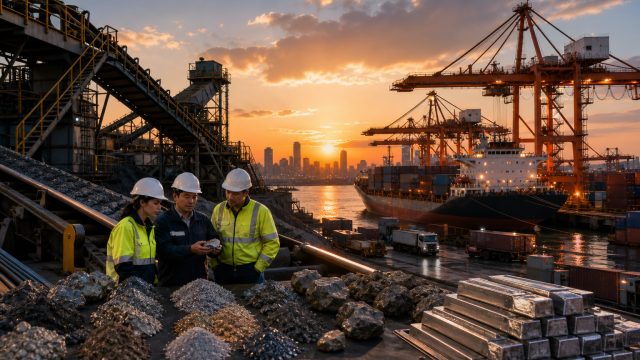
In recent weeks, the geopolitical landscape surrounding rare earth minerals has seen significant shifts, particularly with China's strategic stance against U.S. initiatives. As the Pentagon intensifies its efforts to secure a stable supply of these critical materials, China's countermeasures underscore the growing tensions in this vital sector.
Understanding the Context of Rare Earth Minerals
Rare earth minerals play an essential role in numerous high-tech applications, including electronics, renewable energy technologies, and national defense systems. These elements, often overshadowed by more widely known commodities, are crucial in producing everything from smartphones to electric vehicles.
The Pentagons' Focus
With global demand for rare earths on the rise, the U.S. government, particularly the Pentagon, has been actively seeking ways to reduce dependence on foreign sources—especially from China, which currently dominates the supply chain. This shift in strategy aims to enhance national security and ensure that critical technologies are not compromised.
China's Immediate Response
In response to U.S. efforts, China has initiated several measures intended to assert its dominance in the rare earth market. These include:
- Export Restrictions: China has hinted at potential export controls on rare earth elements, which could create significant disruptions in global supply chains.
- Investment in Domestic Production: The Chinese government is increasing its investments in domestic rare earth production facilities.
- Strategic Partnerships: China is also looking to strengthen ties with countries rich in rare earth deposits, ensuring a steady flow of these materials to its industries.
The Implications for Global Trade
As China doubles down on its control over rare earth minerals, global businesses and governments must consider the ramifications. The ripple effects could potentially lead to:
- Increased Prices: With supply constraints, businesses may face higher costs, which could be passed on to consumers.
- Supply Chain Disruptions: Industries relying heavily on these minerals may need to seek alternative sources, which could be challenging and time-consuming.
- Innovation and Development: Companies might accelerate their research into alternatives or recycling methods to mitigate risks associated with dependency.
Why This Matters Now
The timing of these developments is critical. As industries worldwide recover from the pandemic and seek to innovate, the reliability of raw materials is paramount. The race to secure rare earth minerals is not just a matter of economic strategy; it is central to technological advancement and national security.
Looking Towards the Future
Moving forward, businesses engaged in sectors dependent on rare earths should consider diversifying their supply chains and investing in alternative technologies. As tensions continue to rise, the importance of proactive strategies cannot be overstated.
Conclusion
The ongoing tug-of-war between the U.S. and China over rare earth minerals is a significant development that may reshape industries and trade policies in the coming years. As both nations solidify their positions, stakeholders across the globe must stay informed and agile, adapting to an evolving marketplace that directly impacts technological and industrial growth.