

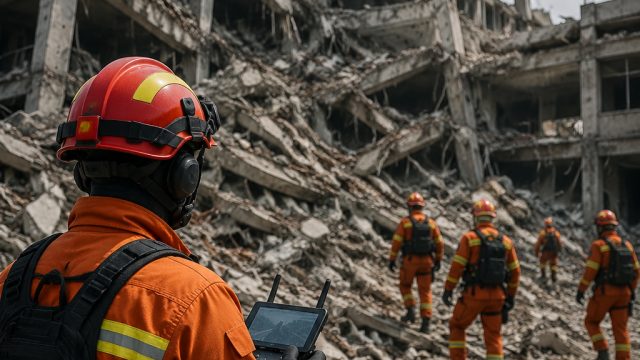
In the field of emergency response, the integration of advanced technologies has led to significant enhancements in efficiency and effectiveness. As drones become an indispensable tool in search and rescue operations, understanding their current capabilities and future potential is crucial. This article delves into how AI-driven mission planning is reshaping drone applications in search and rescue, while also addressing the challenges still hindering wider adoption.
The Role of Drones in Modern Search and Rescue Operations
Drones have swiftly transitioned from being experimental gadgets to essential components in search and rescue (SAR) missions. Their ability to cover vast areas quickly and provide real-time data makes them invaluable in scenarios where every second counts. Here’s why they are becoming increasingly critical:
- Rapid Deployment: Drones can be launched within minutes, delivering immediate assistance in emergencies.
- Comprehensive Surveillance: Equipped with thermal imaging and high-definition cameras, drones identify missing persons or hazards inaccessible to ground teams.
- Cost-Effectiveness: Using drones reduces the need for extensive manpower and resources traditionally required for SAR operations.
- Safety for Responders: Drones can scout dangerous areas, minimizing risks for human rescuers.
AI-Driven Mission Planning: A Game Changer
Artificial intelligence is at the forefront of enhancing drone capabilities in SAR missions. AI-driven mission planning enables drones to analyze data and execute operations with remarkable precision. Here’s how AI is making waves:
Improved Navigation and Coordination
With AI algorithms, drones can navigate complex terrains and coordinate with multiple units, optimizing the search process. This technology ensures that every search effort is strategically planned, enhancing the likelihood of successful rescues.
Data Analysis and Decision Making
AI systems can process large amounts of information in real-time, assisting emergency teams in making informed decisions quickly. This drastically reduces the time taken to assess situations and deploy resources accordingly.
Challenges Facing Drone Deployment in SAR
Despite the promising advancements, several challenges continue to impede the full-scale integration of drones in search and rescue operations:
Regulatory Hurdles
One significant barrier is the regulatory environment surrounding BVLOS (Beyond Visual Line of Sight) operations. Current regulations limit the distance drones can operate from their pilots, restricting their utility in extensive searches.
Battery Life Limitations
The operational range of drones is often constrained by battery life. Many drones can only fly for a limited time before needing to recharge, which can prove detrimental in protracted rescue efforts.
Need for Specialized Training
While the technology has advanced, many SAR teams require training to effectively operate drones and interpret the data they provide. Investing in training programs is essential to harness the full potential of these devices.
The Future: A Path Forward
As the landscape of search and rescue evolves, the future for drones looks promising. Enhanced AI capabilities, improvements in battery technology, and a clearer regulatory framework are expected to propel the use of drones in critical situations:
- Innovation in Battery Technology: Research into longer-lasting batteries could significantly extend the operational range of drones.
- Collaborative Efforts: Partnerships between tech companies and emergency services can drive innovation and improve training.
- Advocacy for Regulatory Changes: Ongoing dialogue with regulators may help reshape BVLOS rules to facilitate more effective rescue operations.
In conclusion, the evolution of drone technology in search and rescue operations marks a significant step forward in emergency response capabilities. As organizations invest in AI-driven solutions, refine regulatory practices, and enhance training protocols, the full potential of drones will be realized, ultimately saving lives during critical moments. Staying informed about these advancements is essential for stakeholders across the board, from tech developers to first responders.