

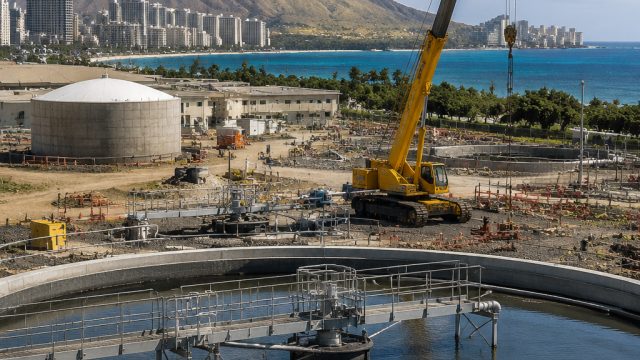
In a significant development for both construction and environmental sectors, the Honolulu wastewater digester project is moving forward, presenting new opportunities for investors and construction firms alike. This initiative not only aims to enhance the city's wastewater management but also serves as a potential catalyst for innovation in building materials and construction practices. With the growing emphasis on sustainability and efficient resource management, projects like this are vital in shaping the future of urban infrastructure.
Understanding the Honolulu Wastewater Digester Initiative
The Honolulu wastewater digester project, recently advanced by Hensel Phelps, marks a crucial step towards modernizing the city's sewage processing capabilities. The primary goal of this project is to convert sewage waste into renewable energy and other usable resources through anaerobic digestion. With the increasing pressure on urban areas to manage waste effectively, initiatives like this are becoming essential.
Key Features of the Project
- Energy Production: The anaerobic digestion process will facilitate energy recovery, which can significantly reduce operational costs.
- Sustainability: By transforming waste into energy, the project aligns with global sustainability goals, making it a model for other cities.
- Job Creation: The construction and ongoing operation of the plant are anticipated to create numerous job opportunities in the region.
Why This Project Matters Now
As urban centers worldwide grapple with waste management challenges, the Honolulu project stands out as a timely response to these pressing issues. This initiative not only addresses local needs but also sets a precedent for future investments in sustainable infrastructure. Investors and construction companies should take note of how such projects can influence the market and shape opportunities.
Investment Potential in Wastewater Management
Investing in wastewater management projects offers numerous advantages:
- Long-term Returns: The need for efficient waste management is increasing, ensuring steady demand for such projects.
- Innovation in Building Materials: The focus on sustainability drives the development of new, eco-friendly building materials, opening avenues for B2B exports.
- Increased Resilience: Integrating renewable energy systems within waste management enhances community resilience against climate-related challenges.
Broader Implications for the Building Materials Industry
The advancements in wastewater technology have significant implications for the building materials sector. With cities prioritizing sustainability, manufacturers of construction materials are increasingly called upon to innovate. Here are some trends fueling this shift:
Emerging Trends in Construction Materials
- Recycled Materials: There's a rising demand for construction materials made from recycled waste, driven by environmental considerations.
- Energy-Efficient Products: Products that enhance energy conservation are becoming essential as regulations tighten.
- Smart Materials: The integration of technology in materials, enabling real-time performance monitoring, is gaining traction.
Conclusion: A Call to Action for Stakeholders
The Honolulu wastewater digester project represents more than just a local initiative; it heralds a new era of sustainable practices in urban planning and infrastructure development. For stakeholders, including investors, contractors, and suppliers, this is an opportune moment to engage with the sector. By aligning with projects that emphasize sustainability and efficiency, businesses can tap into a growing market while contributing to environmentally sound practices. As we move forward, staying informed and adaptable will be crucial for success in the evolving landscape of construction and investment.