

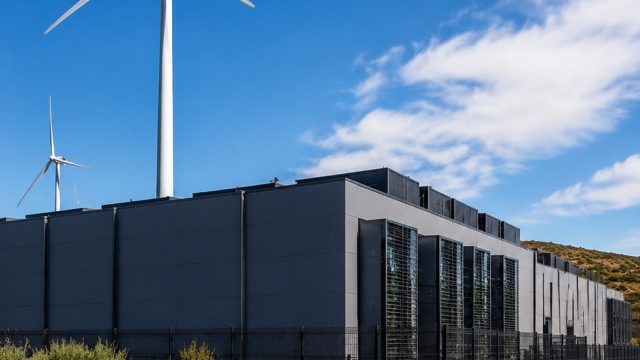
As Australia grapples with its energy transition and seeks to bolster its technology sector, the establishment of regional data centers emerges as a beacon of hope. These facilities could not only harness the potential of renewable energy sources but also create a plethora of tech job opportunities across the country. This paradigm shift is not merely a speculative idea; it’s a timely solution to pressing challenges Australia faces today.
The Need for Renewable Energy Integration
With climate change at the forefront of global concerns, Australia is making strong strides toward adopting renewable energy. However, the country’s urban centers are often overwhelmed by energy demands, leading to inefficiencies and increased carbon footprints. By relocating data centers to regional areas, we can capitalize on the vast expanses of renewable energy, such as solar and wind, that are often underutilized.
Maximizing Renewable Resources
Regional Australia possesses abundant renewable resources that can be harnessed effectively:
- Solar Power: The Australian Outback, known for its abundant sunshine, can serve as a prime location for solar farms feeding power to data centers.
- Wind Energy: Coastal regions can utilize wind turbines, providing a consistent and sustainable energy source.
- Hydropower: Areas near rivers and lakes can explore small-scale hydropower options to support local data centers.
Job Creation in the Tech Sector
Establishing data centers in regional areas not only addresses energy challenges but also promises significant economic benefits through job creation. The tech industry remains a driving force in Australia’s economy, and moving data centers outside major metropolitan areas can stimulate local employment.
Types of Jobs Created
The following job opportunities are expected to arise from the establishment of regional data centers:
- Technical Positions: Roles such as system administrators, network engineers, and data analysts will be essential for maintaining data center operations.
- Construction Jobs: Building data centers will require skilled labor, creating temporary jobs in construction and related fields.
- Support and Maintenance Roles: Ongoing support services for hardware and software will necessitate additional local employment.
The Time is Now: Why This Matters
With Australia’s increasing reliance on digital solutions and the ongoing expansion of artificial intelligence, the urgency for efficient data infrastructure has never been more critical. The move towards regional data centers aligns with long-term strategies for sustainable development and economic resilience.
Strategic Framework for Implementation
To ensure that this transition is beneficial and effective, several key strategies should be considered:
- Government Incentives: Policies that provide financial support for data center initiatives can encourage investment in regional areas.
- Public-Private Partnerships: Collaborations between government and private investors can facilitate the growth of this sector.
- Community Engagement: Involving local communities in planning and development can ensure that projects meet regional needs and priorities.
Conclusion
In conclusion, the potential for regional data centers in Australia is multi-faceted, promising to enhance renewable energy utilization while simultaneously boosting local economies through job creation. As digital demands grow and the need for sustainable practices becomes more pressing, now is the time to act. Embracing this initiative can set Australia on a path toward a more resilient future, positioning it as a leader in both technology and sustainability.