

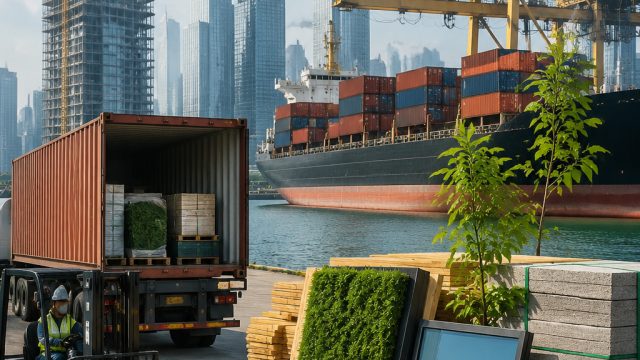
The Rise of Sustainability in Construction
In recent years, the construction industry has witnessed a significant shift towards sustainability. As global awareness increases regarding environmental issues, manufacturers are adapting to meet the growing demand for eco-friendly building materials. This change is not just a trend; it's becoming integral to the way B2B suppliers approach the export market.
Why Sustainability Matters
As countries worldwide commit to reducing carbon footprints and implementing greener trade policies, the demand for sustainable building materials is on the rise. This shift is driven by construction companies looking to enhance their green credentials while meeting regulatory requirements.
Eco-Friendly Products: A B2B Supplier's Perspective
For wholesalers and manufacturers in the building materials sector, offering sustainable products can be a competitive advantage. From recycled steel to bamboo flooring, the range of eco-friendly options is growing. Suppliers looking to penetrate global markets must adapt their product lines accordingly.
Exporting Sustainable Materials
Exporting sustainable building materials presents unique challenges and opportunities. Regulations vary widely between regions, and suppliers must ensure compliance while maintaining product quality. Building strong partnerships with local distributors can help navigate these complexities.
Building a Sustainable Supply Chain
Creating a sustainable supply chain is essential for manufacturers aiming to export building materials. This includes sourcing raw materials responsibly, minimizing waste, and ensuring energy-efficient production processes. Transparency in operations can help boost credibility in international trade.
Case Studies of Success
Several manufacturers have successfully integrated sustainability into their business models. For instance, companies producing reclaimed wood products have seen a surge in demand as they cater to environmentally conscious consumers. These real-world examples highlight the importance of aligning business practices with evolving market needs.
Conclusion: Embracing Change for Future Growth
As the global construction industry pivots towards sustainability, B2B suppliers and manufacturers must embrace this change. By adopting sustainable practices and offering eco-friendly products, they can position themselves as leaders in the building materials export market.