

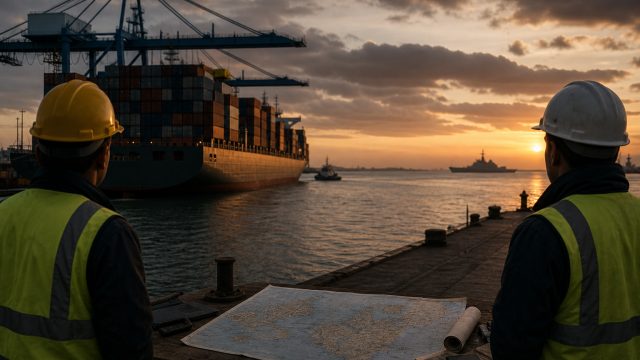
The world of global shipping is undergoing significant transformations, largely driven by ongoing geopolitical instability. The latest report from the International Chamber of Shipping (ICS) highlights how current political tensions are shaping the maritime landscape, urging stakeholders to adapt quickly to these evolving circumstances. As we delve into the key insights from the latest ICS Maritime Barometer, it becomes clear why understanding these dynamics is crucial for businesses involved in international trade.
Understanding the Landscape of Geopolitical Instability
Geopolitical factors have long influenced global shipping routes, but recent developments have intensified their impact. The ICS report indicates that various regional conflicts and diplomatic tensions are now primary determinants in global shipping strategies. The following elements underscore this shift:
- Trade Conflicts: Ongoing trade disputes among major economies create uncertainties in shipping volumes and routes.
- Security Risks: Increased piracy and terrorism threats in certain regions make some routes less viable.
- Regulatory Changes: New sanctions and trade regulations can abruptly alter shipping practices, requiring businesses to stay alert.
The Influence of Technology on Maritime Operations
Amidst these geopolitical challenges, technological advancements play a vital role in enhancing efficiency and safety in shipping operations. The ICS report emphasizes the importance of integrating technology into logistics and maritime strategies:
Data Analytics for Predictive Decision Making
Utilizing data analytics allows companies to forecast potential disruptions in the supply chain. Here are a few applications:
- Route Optimization: Advanced algorithms can suggest the most efficient shipping routes, minimizing costs and time.
- Risk Assessment: Data-driven insights help businesses evaluate risks associated with geopolitical events.
Automation and AI in the Shipping Sector
Automation technologies, including Artificial Intelligence (AI), are revolutionizing maritime operations. Key benefits include:
- Increased Efficiency: Automated systems can streamline processes, reducing human error and operational costs.
- Enhanced Safety: AI-driven solutions can monitor conditions and predict potential hazards in real-time.
Regional Impacts of Geopolitical Instability
Different regions are affected by geopolitical instability in various ways, each presenting unique challenges and opportunities for shipping companies. The following are critical areas to monitor:
Middle East Tensions
The ongoing conflicts in the Middle East demonstrate a significant threat to maritime security. Shipping routes through this region are at risk, making it imperative for businesses to reassess their shipping plans and consider alternative pathways.
Europe's Economic Landscape
In Europe, economic sanctions and trade negotiations are in constant flux, leading to a climate of uncertainty. Shipping companies must stay updated on regulatory changes and adapt accordingly to ensure compliance and minimize disruptions.
Asia's Growing Influence
Asia continues to emerge as a dominant force in global shipping, yet geopolitical tensions within the Asia-Pacific region can disrupt trade flows. Stakeholders should seek to understand how these dynamics affect supply chains and explore solutions for maintaining steady operations.
Conclusion: Navigating Future Challenges in Global Shipping
The insights from the ICS Maritime Barometer reveal that geopolitical instability is a formidable force shaping the future of global shipping. For businesses involved in international trade, understanding these complexities is essential for mitigating risks and capitalizing on emerging opportunities. By leveraging technological advancements and staying informed about geopolitical developments, stakeholders can navigate challenges effectively and maintain robust maritime operations in an increasingly volatile world.
In summary, the report serves as a clarion call for the shipping industry to embrace adaptability, foresight, and innovation as they steer through these tumultuous times.