

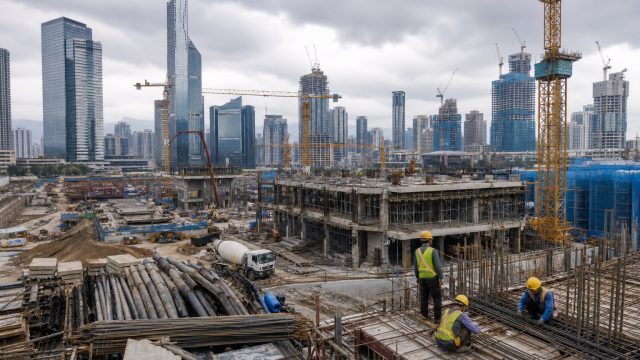
The Asia-Pacific region has been experiencing a significant construction boom, driven by rapid urbanization and infrastructure development. However, recent reports indicate that this growth is now under considerable strain due to a combination of supply chain disruptions, labor shortages, and power constraints. Understanding these issues is crucial for stakeholders in the building materials industry.
Current State of the Construction Boom
The construction industry in Asia-Pacific has witnessed unprecedented growth in recent years. A surge in demand for residential, commercial, and infrastructure projects has propelled numerous countries in the region to invest heavily. As a result, the construction sector has become a pivotal contributor to the economic landscape.
Investment Trends
Investments in construction have soared, with many governments prioritizing infrastructure to stimulate economic recovery post-pandemic. Initiatives such as the Belt and Road Initiative have further boosted construction opportunities. However, as the demand escalates, several challenges have emerged:
- Supply Chain Disruptions: Global events have led to delays in the procurement of essential building materials.
- Labor Shortages: The industry is struggling to find skilled workers to meet the rising demand.
- Power Constraints: Limited power supply is affecting the ability to keep projects on schedule.
Supply Chain Challenges
Supply chain disruptions have been a significant concern for the construction industry across Asia-Pacific. The pandemic caused a ripple effect resulting in inconsistent delivery schedules and increased costs for critical materials. This situation has made it increasingly difficult for construction firms to maintain timelines and budgets.
Impact on Building Materials
With the fluctuations in supply, construction companies are facing higher prices for building materials, which can impact the overall cost of projects. Experts suggest that companies may need to explore alternative suppliers or even adjust project scopes to accommodate these issues. Here are some strategies that firms are adopting:
- Establishing relationships with local suppliers.
- Investing in stockpiling essential materials.
- Seeking innovative materials that can mitigate reliance on traditional sources.
Labor Market Hurdles
The labor shortage in the construction sector is another pressing issue. A sizable gap between the demand for skilled workers and the available workforce has emerged. This situation has created a competitive environment where companies are vying for a limited pool of talent.
Strategies for Workforce Development
To address labor shortages, organizations are implementing various strategies aimed at attracting and retaining talent:
- Enhanced Training Programs: Investing in workforce training can help develop skills in young professionals.
- Better Compensation and Benefits: Offering competitive salaries and benefits can help attract skilled labor.
- Promoting Diversity: A focus on diversity can expand the talent pool and foster innovation.
Power Constraints and Their Effects
Power constraints are becoming increasingly problematic within the region. Many construction projects require reliable energy sources, and any disruptions can lead to significant delays. The construction industry must navigate these power challenges while managing project timelines effectively.
Mitigating Power Issues
To counteract the impact of limited power supply, construction firms are exploring several routes:
- Utilizing renewable energy sources to supplement power needs.
- Implementing energy-efficient practices in construction processes.
- Collaborating with energy providers to ensure reliable power supply.
Conclusion: Navigating the Future of Construction
The Asia-Pacific construction sector is at a critical juncture. While the potential for growth remains strong, the current challenges must be addressed proactively to sustain momentum. Stakeholders in the building materials industry need to remain vigilant and adaptable to navigate the complexities of supply chain disruptions, labor shortages, and power constraints. By adopting innovative strategies and fostering collaboration, the industry can continue to thrive in a rapidly changing landscape.